
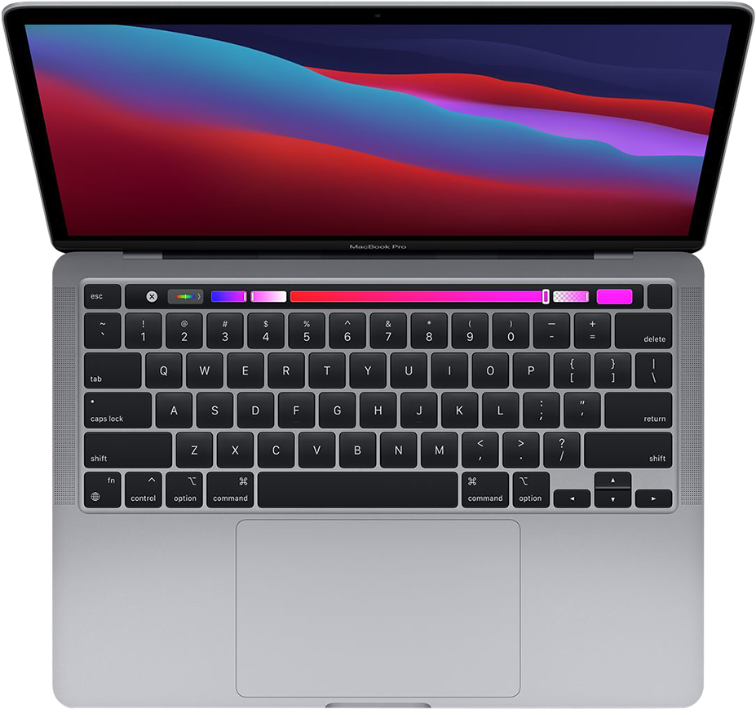
Appel Macbook Air 13″ 2020 – Apple M1, 8GB RAM, 256GB SSD, Space Gray
₨ 143,000
2020, Apple M1 CPU, 8GB RAM, 256GB SSD, 13.6″ 2560×1664 Retina Display, 2x Thunderbolt 4.0, 1x Audio Jack, Space Gray Color
Apple MacBook Air 13″ (M1, 2020): Still the Gold Standard for Value in 2026
The MacBook Air 13″ with the M1 chip was a revolutionary moment in computing history. Released in late 2020, it marked Apple’s transition away from Intel to its own custom silicon. Even in 2026, this specific configuration—featuring 8GB of Unified Memory and a 256GB SSD in Space Gray—remains one of the most sought-after laptops for students, writers, and general users due to its legendary efficiency and fanless design.
Technical Specifications
The M1 chip redefined what an “entry-level” laptop could do by integrating the CPU, GPU, and Neural Engine into a single System on a Chip (SoC).
| Feature | Specification |
| Processor | Apple M1 (8-core CPU with 4 performance & 4 efficiency cores) |
| Graphics | 7-core or 8-core Integrated GPU |
| Memory | 8GB Unified RAM |
| Storage | 256GB PCIe-based SSD |
| Display | 13.3-inch Retina Display with P3 Wide Color & True Tone |
| Resolution | 2560 x 1600 (227 ppi) |
| Battery Life | Up to 15 hours wireless web / 18 hours movie playback |
| Weight | 1.29 kg (2.8 lbs) |
Why the M1 MacBook Air Persists in 2026
1. The Power of Unified Memory
While 8GB of RAM might seem modest by modern Windows standards, Apple’s Unified Memory Architecture (UMA) allows the CPU and GPU to share the same data pool with ultra-low latency. In real-world use, this 8GB configuration handles 4K video editing, heavy web browsing, and office productivity suites with surprising fluidness, often outperforming older 16GB Intel-based systems.
2. Silent, Fanless Design
One of the most praised features of the M1 MacBook Air is its thermal efficiency. Because the M1 chip generates so little heat during standard tasks, the laptop does not require an internal fan. This makes it completely silent, whether you are streaming 1080p video or participating in a long Zoom call.
3. Iconic Retina Display & Build
The 13.3-inch Retina display remains competitive today, offering 400 nits of brightness and the P3 wide color gamut. This ensures that colors are accurate for photo editing and vibrant for media consumption. The Space Gray aluminum unibody design is timeless, resisting flex and maintaining a premium feel that many modern plastic laptops lack.
Key Hardware Features
-
Magic Keyboard: Replaced the controversial butterfly mechanism with a refined scissor switch, providing a tactile and reliable typing experience.
-
Touch ID: Integrated into the power button for secure login and Apple Pay authentication.
-
Thunderbolt / USB 4: Two ports that support high-speed data transfer (up to 40Gb/s), external displays (up to 6K), and charging.
-
Advanced Camera ISP: Although the webcam is 720p, the M1’s Image Signal Processor (ISP) uses computational photography to improve face detection, noise reduction, and dynamic range.
Performance in 2026: The “Apple Silicon” Longevity
As we move through 2026, the M1 MacBook Air continues to receive the latest macOS updates. Apple’s long-term support for its silicon means that this 2020 model still benefits from the latest security patches and ecosystem features like Universal Control and Handoff.
Note on Storage: The 256GB SSD is optimized for speed, but users with large libraries of 4K video or high-res photos may want to utilize iCloud or external Thunderbolt drives for long-term storage.
Verdict: Is it still worth it?
The Apple MacBook Air M1 (8GB/256GB) is arguably the best “budget” premium laptop on the market. It offers a combination of battery life, build quality, and resale value that is difficult to find in newer mid-range competitors. It is ideal for anyone who needs a reliable, portable machine for everyday productivity without the “pro” price tag.
Pros:
-
Industry-leading battery life for its price bracket.
-
Completely silent operation (no fans).
-
Excellent trackpad and keyboard.
-
Long-term macOS software support.
Cons:
-
Limited to two USB-C ports.
-
720p webcam is dated compared to newer M2/M3/M4 models.
-
8GB RAM is not upgradable.
| Year | 2020 |
| Model | Apple Macbook Air 13" M1 |
| CPU | Apple M1 |
| RAM | 8GB Unified |
| Dedicated Graphics | Apple M1 GPU |
| Installed Storage | 256GB SSD |
| Size | 13.6" |
| Resolution | 2560x1664 Retina Display |
| Color | Space Gray |
| CPU | Apple M1 |
|---|---|
| RAM | 8GB |
| Storage | 256GB SSD |
| Display Size | 13.6" |
| Dedicated Graphics | Apple M1 GPU |
| Color | Space Gray |
Reviews
There are no reviews yet.